







Imagine a rainy day in a coastal city. Stormwater gushes down drains, surging toward the sea. At high tide, seawater pushes back up the pipes—unless something is there to stop it. That “something” could be a small, flexible, duck-bill-shaped piece of engineering genius that works silently and reliably, year after year.That’s the duckbill valve. And its purpose is simple but crucial: let fluid out, never back in.
So, What Exactly Is a Duckbill Valve
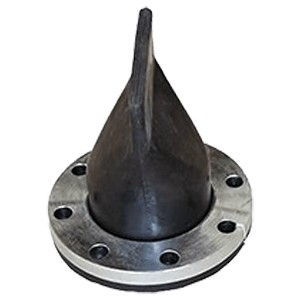
If you’ve never seen one, picture the flattened beak of a duck—wide at the base, narrowing to a slit at the tip. It’s made from tough, flexible rubber that opens under forward pressure and closes instantly when the flow stops or reverses.There are no hinges. No springs. No moving metal parts to corrode. Just an elastomer sleeve doing its job every day, in the mud, saltwater, or even medical devices.
The Purpose: More Than Just Backflow Prevention
Sure, “stopping backflow” is the headline. But duckbill valves do more than that:
They protect infrastructure – No more seawater creeping into storm drains, no river water sneaking into outfalls.
They keep systems clean – By preventing reverse flow, they block debris, mud, and even pests from entering.
They save on maintenance – With no mechanical parts to jam, they just work—quietly, in the background.
Why Engineers Love Them
Talk to a municipal drainage engineer or an industrial plant operator, and they’ll list a few reasons why duckbill valves are often their first choice:
Low cracking pressure – They open easily, reducing pumping energy.
Handles tough fluids – Sewage, slurry, saltwater—no problem.
Corrosion-proof – Perfect for marine environments.
Silent – No clanking or slamming like a swing check valve.
Where You’ll Find Duckbill Valves
City infrastructure: stormwater drains, sewer outfalls, flood control points.
Industrial plants: slurry lines, chemical discharge pipes.
Marine environments: dock drainage, ship bilge systems.
Medical equipment: in IV lines and respiratory devices for one-way flow.
In each case, the purpose is the same: let the right stuff out, keep the wrong stuff from coming in.
The Secret to Their Reliability
It’s the material. Quality duckbill valves are made from elastomers chosen to suit the environment—EPDM for wastewater, neoprene for seawater, nitrile for hydrocarbon-rich fluids. The right choice means years of service with little to no maintenance.