







Solenoid valves are the silent workhorses of many industrial, HVAC, water, and irrigation systems. They control the flow of liquids or gases with precision, using an electromagnetic coil to open or close a valve seat. When they fail, however, operations can slow down, efficiency can drop, and in some cases, safety may even be compromised. Understanding the symptoms of a bad solenoid valve and why they happen can save you from costly downtime.
1. Understanding the Role of a Solenoid Valve
A solenoid valve uses an electrical signal to move a plunger or diaphragm, controlling the passage of fluid or gas. They are widely used in applications such as:
Water treatment plants
Pneumatic systems
Irrigation networks
Fuel delivery systems
Medical and laboratory equipment
Because they are electromechanical devices, solenoid valves have both electrical and mechanical points of failure.
2. Common Symptoms of a Bad Solenoid Valve
a) Valve Stuck Open or Closed
One of the most noticeable signs of solenoid valve failure is when it either refuses to close (leading to continuous flow) or refuses to open (blocking the flow completely). This could be caused by:
A burned-out coil that no longer generates a magnetic field
Debris lodged in the valve seat
Worn-out plunger seals
b) No Click Sound on Activation
Most solenoid valves produce a small “click” sound when energized. If you don’t hear this:
The coil may be damaged
The power supply might be insufficient
Wiring or connector issues may be preventing current from reaching the coil
c) Erratic or Intermittent Operation
If the valve sometimes works and sometimes doesn’t, you could be dealing with:
Loose electrical connections
Overheating coils due to incorrect voltage
Contamination in the valve body
d) Leakage
A bad solenoid valve can leak externally (around the body) or internally (past the seal). This often happens due to:
Worn or cracked seals
Erosion caused by abrasive media
Incorrect installation torque
3. What Causes Solenoid Valve Failure
Electrical Failures
Burned-out coil: Often caused by prolonged overvoltage or heat buildup.
Short circuits: Due to moisture ingress or damaged insulation.
Mechanical Failures
Debris buildup: Dirt, rust, or scale can jam moving parts.
Seal degradation: Caused by chemical attack, high temperature, or age.
Corrosion: Especially if the valve material isn’t compatible with the medium.
4. Consequences of Ignoring a Bad Solenoid Valve
If you continue running a system with a faulty solenoid valve, you risk:
System downtime: Especially critical in continuous operations like production lines or medical devices.
Reduced efficiency: In HVAC, for example, improper fluid control can waste energy.
Product loss: In food, beverage, or chemical processes, uncontrolled flow can lead to wasted product or contamination.
Safety hazards: In fuel or gas systems, leaks can be dangerous.
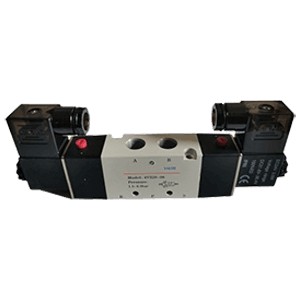
5. Troubleshooting and Fixing a Bad Solenoid Valve
Check the power supply – Ensure the correct voltage and current are reaching the coil.
Inspect the coil – Test with a multimeter for continuity or resistance outside normal range.
Clean the valve body – Remove debris that could block movement.
Replace worn seals – Use compatible materials for your fluid and temperature.
Replace the valve if needed – If the coil is burned out or the body is badly corroded, a new unit may be the safest option.
6. How to Prevent Solenoid Valve Failures
Follow correct installation procedures (right torque, alignment, and orientation).
Match materials to the medium (e.g., stainless steel for corrosive fluids).
Install filters or strainers upstream to prevent debris ingress.
Avoid overvoltage and overheating of coils.
Regularly inspect and service your valves to catch problems early.