







1. Introduction to Pressure Relief Valves
Picture a vast industrial landscape, humming with machinery, where constant pressure management is vital for operational smoothness. This is where pressure relief valves (PRVs) step into the picture. PRVs act as guardians, preventing over-pressurization that can lead to equipment malfunction and, in worst-case scenarios, hazardous incidents. Delve deeper into their mechanics, variations, and significance in maintaining industrial safety and efficiency.
2. Direct Spring-Loaded PRVs: The Fundamentals of Pressure Control
Imagine a spring, compressed and ready to spring into action. This is the core of a direct spring-loaded PRV. As system pressure builds, it eventually surpasses the strength of the spring, prompting the valve to open. Now, excess fluid can escape, easing the pressure. Once the system's pressure dips below the critical point, the spring forces the valve closed again. This simple yet effective mechanism makes direct spring-loaded PRVs a popular choice across numerous industrial applications.
3. Pilot-Operated PRVs: Precision at High Pressures
In the realm of high-pressure systems, accuracy is paramount. Enter the pilot-operated PRV—a device that harnesses a small pilot valve to drive the main valve. The pilot valve monitors the system's pressure environment. When it detects an excess, it signals the main valve to open, releasing the pressure. This advanced mechanism ensures precise and swift pressure control, a boon for industries handling complex and high-pressure systems.
4. Safety Valves: Swift Action for Steam Systems
In steam systems, where pressure surges can be sudden and intense, safety valves are indispensable. These specialized PRVs are engineered to open fully and swiftly when system pressure reaches a pre-set level. This rapid opening allows a substantial volume of steam to escape, averting potential explosions and thermal damage. Their swift action is crucial for maintaining safety in steam systems, protecting both the equipment and the personnel operating it.
5. The Necessity of Regular PRV Maintenance
Just like any other piece of machinery, PRVs require attention and care. Over time, they can develop leaks, their set pressures might drift, or they may accumulate debris that hampers their functionality. Regular inspections and maintenance are the keys to ensuring PRVs operate optimally. This maintenance regime involves checking for leaks, verifying the set pressure, and ensuring the valve mechanism is free from any obstructions or corrosion. By keeping PRVs in top condition, industries can prevent potential mishaps and ensure the smooth operation of their systems.
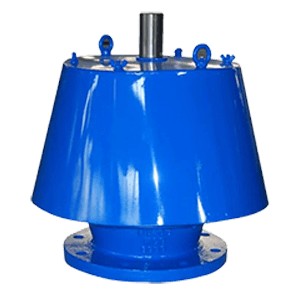
6. PRVs: Pillars of Industrial Safety and Efficiency
PRVs are more than just safety devices; they are integral to maintaining operational efficiency. By preventing over-pressurization, PRVs help protect equipment, reducing the need for frequent repairs or replacements. This, in turn, decreases maintenance costs and minimizes downtime. In chemical processing plants, PRVs act as a shield, preventing pressure surges that could lead to catastrophic failures. Similarly, in steam systems, they ensure that the pressure remains within safe limits, preventing thermal damages and equipment breakdowns.
7. The Evolving Design of Pressure Relief Valves
As industries evolve, so do the technologies they employ. The design and functionality of PRVs are continually advancing, meeting the growing demands of modern industrial processes. With a better understanding of their mechanics and the development of new materials and manufacturing techniques, PRVs are becoming more efficient, reliable, and adaptable. This evolution underscores their enduring importance in ensuring industrial safety and efficiency.