







What Is Pressure Reducing Valve
A pressure reducing valve is a mechanical device that automatically reduces high inlet pressure to a preset lower outlet pressure. It ensures that downstream piping, fixtures, and equipment operate within safe pressure limits.
Common applications include:
Water distribution systems in buildings
Steam heating systems
Compressed air lines
Industrial process equipment
Irrigation systems
Tools You’ll Need Before Adjustment
Before making any adjustments, gather the following:
Adjustable wrench or screwdriver (depending on valve design)
Pressure gauges (ideally both upstream and downstream)
Pipe wrench (for installation-related tasks)
Manufacturer’s manual or technical sheet
Safety gear (gloves, goggles, hearing protection)
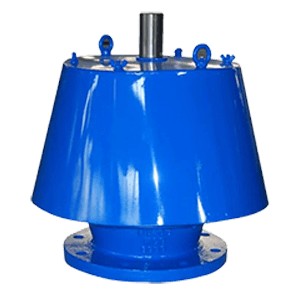
Step-by-Step Guide: How to Adjust a Pressure Reducing Valve
1. Ensure Safety First
Before touching the valve:
Turn off the system or isolate the PRV using upstream shutoff valves.
Allow pressure to dissipate.
If working with steam, hot water, or hazardous fluids, let the system cool and vent residual pressure.
2. Locate the Adjustment Mechanism
Most PRVs feature one of the following:
Top-mounted adjusting screw (usually under a protective cap)
Spring-loaded bolt accessed from the top
Knob-style adjuster for some residential models
Clockwise (→) = increases outlet pressure
Counterclockwise (←) = decreases outlet pressure
3. Measure Downstream Pressure
Use a pressure gauge installed after the PRV to read current downstream pressure. If no gauge is present, consider installing one temporarily for accurate adjustment.
4. Make the Adjustment Slowly
With the system running:
Turn the adjustment screw or bolt slightly (¼ turn)
Wait a few seconds for pressure to stabilize
Monitor the gauge to see the pressure change
Repeat in small increments until the desired pressure is reached
Avoid sudden large turns—overshooting can stress the system or damage equipment.
5. Test the System Under Normal Flow
Pressure can vary under different flow conditions. Simulate regular usage by:
Opening multiple faucets or valves (for water systems)
Activating typical equipment or machinery
Observing pressure stability during flow and after it stops
6. Lock the Setting and Replace Protective Cap
Once adjusted:
Tighten the locknut (if present)
Replace the weather cap or dust cover
Note the setting in a maintenance log for future reference
When Should You Adjust a PRV
After new installation
When downstream pressure is consistently too low or high
Following major system repairs or changes
If equipment is underperforming or overpressured
During routine system maintenance