







Understanding Gate Valves
Gate valves are linear-motion valves that are primarily designed to start or stop the flow of fluid. They operate by lifting a gate (a flat or wedge-shaped disc) out of the fluid’s path. They are commonly used in on/off services and are not intended for throttling purposes.
The material of the valve body plays a vital role in determining its durability, corrosion resistance, pressure rating, and overall lifespan. This is where the debate between brass vs. stainless steel gate valves becomes especially important.
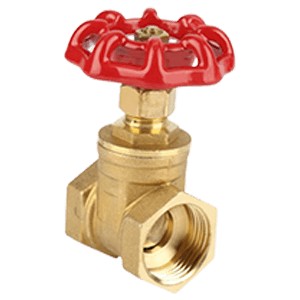
Brass Gate Valves: An Overview
Brass, an alloy of copper and zinc, is one of the most commonly used materials in plumbing applications due to its excellent corrosion resistance, cost-effectiveness, and ease of manufacturing.
Advantages of Brass Gate Valves
Corrosion Resistance in Water Systems: Brass performs exceptionally well in systems carrying potable water or non-aggressive fluids.
Affordable Pricing: Brass gate valves are generally more economical than their stainless steel counterparts, making them attractive for residential and commercial buildings.
Easy Machining & Maintenance: Brass is easier to machine, which helps reduce production costs and simplifies repairs.
Good Thermal Conductivity: Brass handles moderate temperature fluctuations well, typically suitable for systems operating under 200°C.
Limitations of Brass Gate Valves
Dezincification Risk: In environments with high chlorine or salt content (like seawater), brass may undergo dezincification, weakening the valve over time.
Lower Pressure Ratings: Brass valves are generally used in low to medium-pressure applications. They may not perform well under high-pressure or high-impact conditions.
Not Suitable for Harsh Chemicals: If the system involves aggressive or acidic media, brass may corrode faster.
Best Use Cases for Brass Gate Valves:
Residential and commercial plumbing
HVAC systems
Potable water distribution
Low-pressure industrial pipelines
Stainless Steel Gate Valves: An Overview
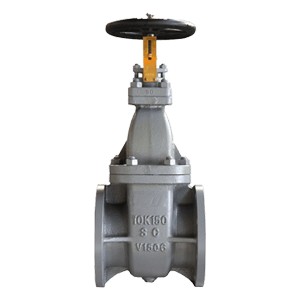
Stainless steel, particularly 304 or 316 grades, is known for its exceptional durability, chemical resistance, and strength. These properties make stainless steel gate valves ideal for harsh environments, including industrial, marine, and chemical processing systems.
Advantages of Stainless Steel Gate Valves
Superior Corrosion Resistance: Stainless steel resists rust, corrosion, and chemical damage, making it suitable for aggressive environments.
High Pressure & Temperature Capability: Stainless steel gate valves can handle significantly higher pressure and temperature compared to brass valves.
Longevity: With proper installation and maintenance, stainless steel valves can last for decades, even under strenuous conditions.
Food-Grade Applications: 316 stainless steel is safe for food and pharmaceutical processing due to its resistance to contamination.
Limitations of Stainless Steel Gate Valves
Higher Cost: Stainless steel is more expensive than brass, both in material cost and machining.
More Difficult to Machine: Manufacturing and welding stainless steel components require specialized equipment and techniques.
Heavier Weight: Stainless steel is denser, which may not be ideal for compact or mobile systems.
Best Use Cases for Stainless Steel Gate Valves:
Oil & gas pipelines
Chemical and pharmaceutical industries
Food & beverage processing
Seawater and offshore platforms
High-pressure steam systems
Brass VS Stainless Steel Gate Valve: Comparison Table
How to Choose the Right Gate Valve Material
1. Media Type
If your system handles clean water or air, brass is a suitable and cost-effective choice. For corrosive fluids, steam, or chemicals, stainless steel is the better option.
2. Operating Environment
Will the valve be exposed to harsh environments like saltwater, chemicals, or outdoor elements? Stainless steel outperforms brass in such scenarios.
3. Temperature and Pressure
For high-temperature or high-pressure systems, stainless steel gate valves provide better long-term performance and safety.
4. Budget Constraints
Brass valves offer excellent value in low to medium-risk systems. However, investing in stainless steel may save you long-term maintenance and replacement costs in critical applications.
5. Certifications and Compliance
For applications involving food, pharmaceuticals, or drinking water, check if the valve material meets NSF, WRAS, or FDA standards.