







Common Signs a Ball Valve Is Failing
Leakage Around the Valve Body or Stem
If you notice water, gas, or other fluids leaking from the valve body or stem, the internal seals may have deteriorated or the valve body may be cracked. This is a clear indication that the valve needs repair or replacement.Hard to Turn or Stuck Handle
A properly functioning ball valve should rotate 90 degrees with minimal effort. If it becomes difficult to turn, sticks midway, or won’t rotate at all, internal corrosion, debris buildup, or seal failure may be the culprit.Incomplete Shut-Off
When a ball valve fails to fully stop flow, even when in the closed position, it may be due to internal seat wear or debris preventing a proper seal. This compromises system performance and safety.Visible Corrosion or Rust
Especially in harsh environments, corrosion on a stainless steel or brass valve can indicate deterioration. While brass resists corrosion in most water applications, exposure to aggressive chemicals or acidic water may still damage it.Water Hammer or Vibrations
If the valve causes strange noises (like knocking or hammering) or vibrations when opening or closing, it may be a sign of internal damage or incorrect installation.
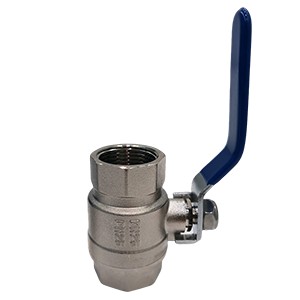
What to Do Next
Inspect the valve visually and feel for resistance.
Check for leaks during operation.
Disassemble and clean the valve if it’s serviceable.
Replace with a new valve if internal parts are damaged beyond repair.
For critical systems or industrial applications, always choose high-quality valves from trusted manufacturers and schedule routine maintenance.