







1. Understanding the Pinch Valve
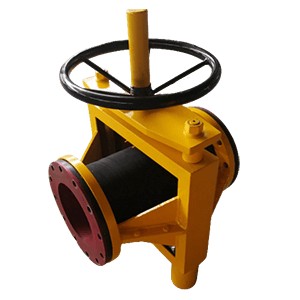
A pinch valve uses an internal flexible sleeve (often rubber or elastomer) that “pinches” shut to stop flow. The valve body itself does not contact the medium—only the sleeve does. This design makes it ideal for handling abrasive, corrosive, or viscous media such as slurries, powders, and wastewater.
Advantages:
Full-bore design – No flow restrictions; minimal pressure loss.
Excellent for slurries – Solids pass easily without clogging.
Low maintenance – Simple construction with fewer moving parts.
Corrosion resistance – The sleeve material isolates the flow from the body.
Tight shut-off – Even with abrasive fluids, sealing remains strong.
Limitations:
Temperature and pressure limits – Typically under 85°C and 10 bar depending on sleeve material.
Sleeve wear – Sleeves need periodic replacement, especially in abrasive service.
Limited size range – Commonly used in smaller or medium-sized pipelines.
2. Understanding the Gate Valve
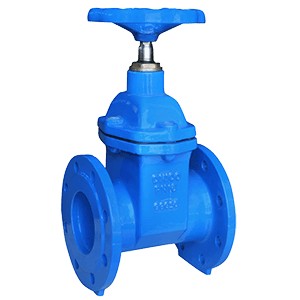
A gate valve, also known as a sluice valve, uses a metal gate or wedge that moves vertically to block or permit flow. When fully open, it allows straight, unobstructed passage, which makes it suitable for on/off service in pipelines carrying clean fluids such as water, oil, and gas.
Advantages:
High-pressure capability – Can handle up to PN40 or higher.
Durable for clean fluids – Long service life in non-abrasive media.
Wide material availability – Cast iron, stainless steel, bronze, and others.
Minimal pressure drop when open – Full-bore design maintains flow efficiency.
Limitations:
Not for throttling – Operating partially open can cause seat erosion.
Prone to clogging – Solids or slurries may jam the gate.
Requires more installation space – Vertical stem movement demands height.
Slower operation – Multiple turns are needed to open or close.
3. Key Differences Between Pinch and Gate Valves
4. Which One Is Better
For abrasive or corrosive fluids, pinch valves are clearly better. Their sleeve isolates internal parts, preventing corrosion and reducing downtime. They’re perfect for mining slurries, wastewater, and chemical dosing.
For clean fluid systems requiring high pressure and temperature, gate valves are the better choice. They provide robust shut-off performance and long service life in HVAC, oil, and marine systems.
Choose pinch valves for flexibility, low maintenance, and abrasion resistance.
Choose gate valves for durability, high pressure, and reliable isolation in clean service.
When selecting valves, always consider pressure, temperature, fluid type, maintenance frequency, and total lifecycle cost—not just initial price.Qingdao I-Flow offers a full range of high-quality gate valves, pinch valves, butterfly valves, and balancing valves, manufactured under ISO 9001 standards with CE, DNV, and WRAS certifications. Our engineering team provides professional support to help you select the right valve for your unique application.