







1. Understanding Balancing Valves
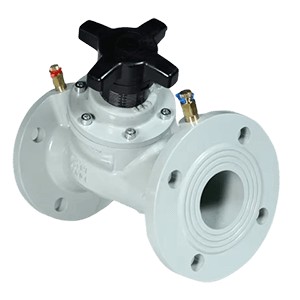
A balancing valve is designed to regulate and measure the flow in a hydronic system. It ensures that each branch or circuit receives the right amount of flow according to design requirements. These valves are typically used in chilled water, hot water, and HVAC systems where consistent flow and pressure balance are essential for comfort and energy efficiency.
There are two main categories:
Manual Balancing Valves: Adjusted manually using a calibrated handle or scale to achieve a fixed flow rate.
Automatic (Dynamic) Balancing Valves: Equipped with internal pressure-regulating components that automatically maintain a constant flow, regardless of system pressure fluctuations.
2. Best Practices Before Installation
System Cleaning: All pipelines must be flushed before valve installation. Residual welding slag, scale, and debris can damage valve seats or obstruct the measuring ports, affecting accuracy.
Check System Layout: Balancing valves should be installed in straight pipe sections to avoid turbulent flow. This ensures accurate measurement of differential pressure and flow rate. As a rule:
Maintain at least 5× the pipe diameter of straight length upstream of the valve.
Maintain at least 2× the pipe diameter downstream.
Correct Valve Selection: Confirm that the valve’s size, pressure rating (PN), and flow coefficient (Kv) match the design specifications. Oversized or undersized valves will make balancing difficult and reduce efficiency.
Verify Accessibility: Install valves in accessible locations to allow for reading, adjustment, and future maintenance. If space is tight, use extended handles or remote measurement ports.
3. Best Practices During Installation
Proper Orientation: Balancing valves can be installed horizontally or vertically, but the direction of flow must match the arrow cast on the valve body. Reversed flow may cause inaccurate readings or internal damage.
Use of Isolation Valves: Place isolation valves upstream and downstream of the balancing valve. This allows for easy maintenance and recalibration without draining the entire system.
Pressure Tapping Ports: For manual valves with measurement ports, ensure that the test points are accessible for probes. Ports should be capped when not in use to prevent contamination or leakage.
Avoid Over-tightening: During installation, overtightening flange bolts or threaded joints can distort the valve body or damage the seat. Always follow the manufacturer’s torque recommendations.
Support Heavy Valves: In large-diameter pipelines, provide independent support for the valve to prevent strain on the pipe. Unbalanced weight may lead to misalignment and long-term leaks.
4. Best Practices After Installation
System Commissioning: After installation, perform a complete system test. Measure differential pressure across each valve and compare readings with design data. Adjust flow as needed until each branch achieves its target flow rate.
Document Settings: Record valve positions, flow readings, and pressure values for each circuit. This documentation helps during future maintenance and troubleshooting.
Regular Maintenance: Even with automatic balancing valves, periodic inspection is recommended. Check for sediment buildup, leaks, or stuck stems. Clean measurement ports and lubricate moving parts if applicable.
5. Common Installation Mistakes to Avoid
Installing valves near elbows or pumps, causing turbulence and inaccurate readings.
Ignoring flow direction—reversed flow can lead to seal damage.
Failing to flush the pipeline before installation.
Using incorrect valve size or Kv value.
Lack of space for measurement or maintenance.