







What is a Plug Valve
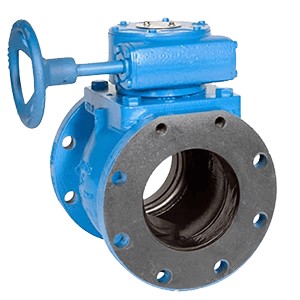
A plug valve is a quarter-turn valve that uses a cylindrical or conical plug with a hollow passage to control fluid flow. When the plug is rotated 90 degrees, the passage aligns with the pipeline, allowing fluid to flow. When rotated again, the solid part of the plug blocks the flow.
Key Characteristics of Plug Valves
Quick shutoff – Only requires a quarter turn to open or close.
Simple design – Fewer moving parts compared to other valves.
High flow capacity – Suitable for handling large volumes of fluids.
Durability – Can withstand high pressure and temperature, depending on material.
Common Applications of Plug Valves
Oil and gas pipelines.
Chemical processing plants.
Water treatment systems.
Industrial applications requiring frequent shutoff.
What is a Needle Valve
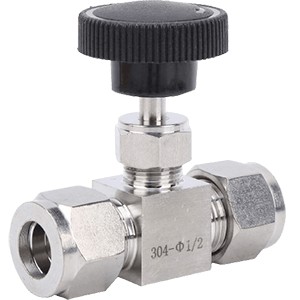
A needle valve is a small valve designed for fine control of flow. It has a slender, tapered needle-like plunger that fits into a seat. By slowly turning the handwheel, the operator can raise or lower the plunger, adjusting the size of the opening. This allows extremely precise control of flow rates, particularly for gases and low-flow liquids.
Key Characteristics of Needle Valves
Precision control – Ideal for fine adjustments in flow rate.
Slow operation – Turning the handwheel gradually changes the flow.
Small orifice – Not suitable for high flow volumes.
Leak-tight seal – Excellent for applications requiring zero leakage.
Common Applications of Needle Valves
Laboratory testing and calibration systems.
Gas regulation in instrumentation.
Small-flow hydraulic or pneumatic systems.
Sampling lines in chemical plants.
Plug Valve VS Needle Valve
Advantages and Disadvantages
Plug Valves Advantages:
Simple, compact design.
Fast operation.
Handles slurry, gas, and liquid.
Available in many materials for different industries.
Plug Valves Disadvantages:
Not suitable for throttling or precise flow control.
Can experience wear if left partially open.
Sealing can be difficult at very high pressures without special seats.
Needle Valves Advantages:
Precise control of flow.
Ideal for small, steady flow adjustments.
Can achieve leak-tight shutoff.
Needle Valves Disadvantages:
Not practical for high flow rates.
Slower operation.
Limited to small-diameter applications.
How to Choose Between Plug and Needle Valves
When deciding between a plug valve and a needle valve, consider the following factors:
Purpose of the valve
If you need quick shutoff → choose a plug valve.
If you need precision flow adjustment → choose a needle valve.
Flow capacity
Large pipelines with high flow demand → plug valve.
Small-diameter, low-flow systems → needle valve.
Operation speed
Rapid open/close → plug valve.
Slow, controlled adjustment → needle valve.
Industry requirements
Pipelines, oil & gas, water systems → plug valve.
Laboratories, instrumentation, gas calibration → needle valve.