







What Are Manual and Automatic Balancing Valves
Balancing valves are essential components in modern heating, cooling, and water distribution systems. Their main function is to regulate fluid flow and ensure that the right amount of water reaches each part of the system. Without proper balancing, some areas may receive too much flow while others struggle with too little, leading to inefficiency, energy waste, and discomfort.
Manual Balancing Valves
Manual balancing valves are operated by technicians who adjust the valve opening by hand. Through precise calibration, they limit the maximum flow to a specific branch or device in the system.
How They Work:
A manual valve requires an engineer to measure system pressure or flow and then manually adjust the valve to achieve the desired balance. Once set, it stays in that position unless further adjusted.
Applications:
Common in systems where operating conditions remain relatively stable and do not change frequently. They are widely used in small to medium-sized projects, such as office buildings or residential complexes.
Advantages:
Simple design and reliable operation
Cost-effective for smaller systems
Easy to install and maintain
Limitations:
Time-consuming to commission and adjust
Cannot automatically respond to system fluctuations
Less energy-efficient compared to automatic solutions
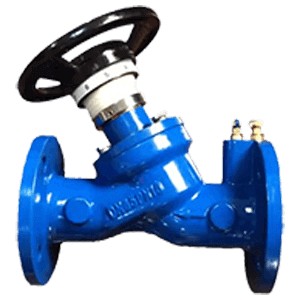
Automatic Balancing Valves
Automatic balancing valves are more advanced and adjust themselves based on real-time conditions. They are equipped with pressure controllers, diaphragms, or springs that allow them to maintain a constant flow, even when system pressure changes.
How They Work:
These valves automatically regulate flow by responding to pressure differences across the valve. When demand changes, the valve compensates to keep flow within the preset range.
Applications:
Suitable for large and complex systems where operating conditions vary frequently, such as hospitals, shopping centers, or high-rise buildings.
Advantages:
Continuous and dynamic balancing
Reduces commissioning time and labor costs
Improves energy efficiency and system stability
Limitations:
Higher initial cost compared to manual valves
Requires more precise design and installation
May need additional components for specialized systems
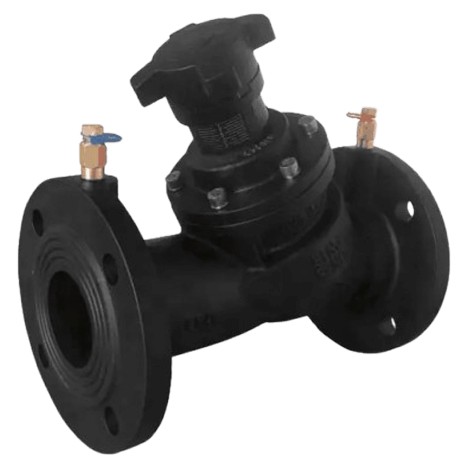
Choosing Between Manual and Automatic Balancing Valves
For small-scale, stable systems, a manual balancing valve is often sufficient.
For large, variable-demand systems, an automatic balancing valve provides greater efficiency and long-term cost savings.
The choice depends on system size, complexity, and performance requirements.Both types serve the same purpose—ensuring proper distribution of water—but the right choice will directly affect energy savings, comfort, and overall system performance.