







In piping systems, different valves perform different roles. Among them, the needle valve stands out for its precision. Unlike larger flow control valves such as gate or ball valves, a needle valve is designed for fine regulation of fluid flow.
How Does a Needle Valve Work
The operation of a needle valve relies on its slender, tapered needle stem. When the handwheel is turned, the needle gradually moves in or out of the seat. This design allows the operator to adjust flow in very small increments. Unlike quick shut-off valves, the motion is not abrupt. Instead, it provides a smooth, steady change in flow rate, reducing the risk of pressure shock or system instability.
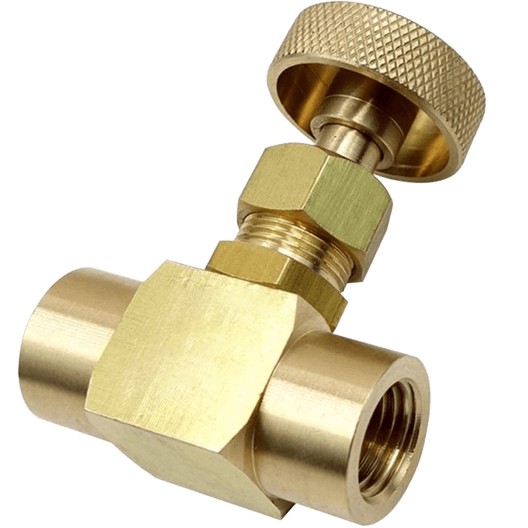
Primary Uses of Needle Valves in Piping
Flow regulation in instrumentation lines – They help control the flow of gases or liquids in measuring instruments, ensuring stable and accurate readings.
Calibration and sampling systems – Needle valves provide controlled flow when sampling process fluids for testing or calibration.
Bypass lines – In certain piping arrangements, they are used to regulate bypass flow around pumps or other equipment.
Fuel systems – In engines and burners, they control the flow of fuel to achieve consistent combustion.
Hydraulic and pneumatic systems – They are used to fine-tune the flow and prevent sudden surges that could damage sensitive equipment.
Advantages of Needle Valves
High precision – Ideal for applications requiring fine control.
Good sealing ability – When closed, the needle seats tightly, minimizing leakage.
Durability – Suitable for both liquid and gas services, often in high-pressure conditions.
Limitations
Despite their advantages, needle valves also have limits. They are not designed for quick on/off control, and their small internal passages restrict flow. This means they are not suited for high-volume transfer systems. Instead, their value lies in accuracy, stability, and control.