







What is a PICV (Pressure Independent Control Valve)
A Pressure Independent Control Valve is designed to combine the functions of three separate valves: a control valve, a balancing valve, and a differential pressure regulator. PICVs ensure a constant flow rate regardless of pressure fluctuations in the system.
Key Features:
Combines control and balancing into a single body
Maintains flow setpoint even with system pressure changes
Typically used in fan coil units, chilled beams, and terminal units
Compatible with modulating or on/off actuators
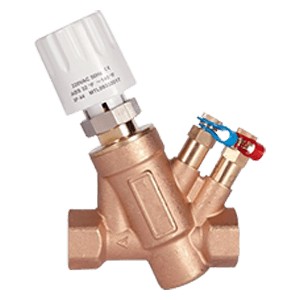
What is a PIBCV (Pressure Independent Balancing and Control Valve)
A Pressure Independent Balancing and Control Valve (PIBCV) offers additional precision in balancing, especially in large or complex networks. While it performs similar pressure-independent regulation, PIBCVs often emphasize manual or automatic presetting, aiding in system commissioning.
Key Features:
Includes mechanical or digital flow setting capability
Supports fine-tuned balancing adjustments
Ideal for multi-zone systems or large buildings
Enhanced for hydronic commissioning and diagnostics
PICV VS PIBCV
Application Scenarios
Use PICV when you need reliable pressure-independent flow with simplified installation. Ideal for terminal units with stable load profiles.
Use PIBCV when your system requires detailed commissioning, multiple load zones, or integration into a Building Management System (BMS) with monitoring and flow validation.