







This article explores the critical functions of valves, the variety used in industries, and why choosing the right valve is fundamental to operational success.
What Do Valves Actually Do
In their simplest form, valves control the flow of fluids—liquids, gases, or slurries—through pipelines, vessels, and machinery. But their importance goes far beyond simple on-off control. Industrial valves perform several essential tasks:
Regulate flow rate
Control system pressure
Direct or divert fluid movement
Isolate systems for maintenance
Prevent backflow or contamination
Ensure operational safety and reliability
Why Are Valves Important in Industrial Applications
1. Safety Assurance
Valves are vital to protecting both people and equipment. Pressure relief valves prevent catastrophic overpressure conditions in pipelines, check valves stop dangerous backflow, and emergency shutdown valves (ESDVs) isolate sections in hazardous conditions. Their role in maintaining pressure and flow integrity is often the difference between normal operation and disaster.
2. Efficiency and Energy Saving
Flow control valves like globe valves, PICVs (Pressure Independent Control Valves), and balancing valves optimize flow and temperature levels, minimizing energy waste. By reducing flow imbalances and system overloading, properly selected valves maximize system efficiency—translating to lower operational costs and reduced environmental impact.
3. Process Precision and Quality Control
Industries like pharmaceuticals, food and beverage, and chemicals require precise control of fluid volume, temperature, and pressure. High-precision valves such as needle valves and diaphragm valves ensure batch consistency, maintain hygiene standards, and protect product integrity. A single poorly performing valve could disrupt the entire process chain.
4. System Reliability and Uptime
Downtime is costly. Industrial valves are engineered for durability under high pressure, temperature, and corrosive conditions. With proper maintenance and material selection (e.g., stainless steel, bronze, cast iron), valves prolong system life and reduce unscheduled outages.
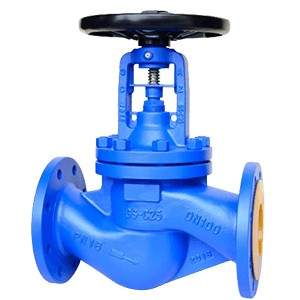
Types of Industrial Valves and Their Roles
Key Industries That Rely on Valves
Oil and Gas – For exploration, refining, and transportation of crude and natural gas
Water Treatment – Regulating flow, filtration, and purification processes
Power Generation – Managing steam, cooling water, and fuel lines
Chemical Processing – Ensuring reaction control, safety, and fluid management
Pharmaceutical – Enabling sterile processing and batch integrity
HVAC Systems – For building comfort and energy efficiency
Marine & Shipbuilding – For ballast control, bilge pumping, and fire suppression
Choosing the Right Valve Matters
A valve failure in an industrial plant can lead to costly production halts, safety risks, or environmental damage. That's why selecting the correct valve involves evaluating:
Operating temperature and pressure
Fluid characteristics (corrosive, viscous, abrasive, etc.)
Flow rate and regulation needs
Maintenance accessibility
Industry-specific certifications and compliance