







1. Understanding the Structure of Electric Butterfly Valves
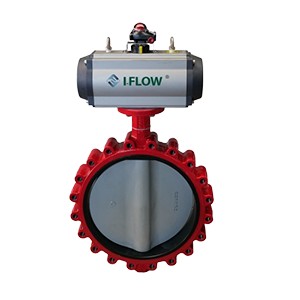
An electric butterfly valve consists of three main parts:
Valve body – the framework that connects to the pipeline.
Disc (or vane) – the rotating element that controls fluid flow.
Electric actuator – the motorized component that provides torque for valve movement.
The actuator receives electrical signals (AC or DC power) and converts them into mechanical motion. It drives the valve stem to rotate the disc between open and closed positions. Most electric butterfly valves operate on a quarter-turn (90°) rotation principle, enabling fast and precise control.
2. How Electric Butterfly Valves Operate
The working process can be divided into three phases: signal input, actuator response, and valve movement.
When the control system sends an electrical signal, the actuator motor starts to rotate.
The gear mechanism inside the actuator amplifies torque and transfers it to the valve stem.
As the stem turns, the disc rotates either parallel or perpendicular to the flow direction.
In the fully open position, the disc aligns with the pipeline, allowing fluid to pass with minimal resistance. In the fully closed position, the disc blocks the passage, stopping the flow completely. For modulating control, the actuator positions the disc at precise angles to regulate flow rate, ensuring smooth operation and stable pressure control.
3. Control Methods and Automation Compatibility
Electric butterfly valves are available in different configurations:
On/Off Control: The simplest type, suitable for start-stop flow control.
Proportional or Modulating Control: Responds to analog signals (like 4–20 mA), adjusting the valve position proportionally to the control signal.
Many modern actuators include position feedback, limit switches, and manual override options. These features enhance system reliability, making the valves ideal for integration into PLC, DCS, or smart building management systems.
4. Advantages of Electric Butterfly Valves
Compared with manual or pneumatic valves, electric butterfly valves offer multiple benefits:
Precise control: Electrical signals enable accurate modulation and consistent response.
Energy efficiency: No need for external air supply, reducing operating costs.
Low maintenance: Fewer moving parts mean less wear and minimal upkeep.
Remote operation: Ideal for automated or hazardous environments.
Compact design: Lightweight structure saves space in complex installations.
Because they eliminate the need for compressors and air pipelines, electric butterfly valves are especially suitable for facilities prioritizing clean energy and quiet operation.
5. Applications Across Industries
Electric butterfly valves play a key role in a wide range of fields:
HVAC Systems: Regulating chilled water or air flow in building automation systems.
Water and Wastewater Treatment: Controlling inlet and outlet lines with precision.
Power Plants: Managing cooling water, steam, and chemical dosing.
Marine Applications: Handling ballast and bilge systems where automation is critical.
Chemical Processing: Managing corrosive fluids and ensuring safety in pipelines.
Their adaptability and reliability make them a cornerstone of smart industrial infrastructure.
6. Selection and Maintenance Tips
When selecting an electric butterfly valve, consider:
Voltage type (AC/DC) and signal range
Torque requirement of the actuator
Pressure and temperature of the medium
Body and disc material compatibility