







Check valves are designed to prevent backflow, keeping fluids moving in only one direction. When it comes to durability, not all check valves are equal. The lifespan of a check valve depends on its design, material, and application environment.
Factors That Affect Durability
Before naming the most durable type, it’s important to understand what makes a check valve last:
Material: Metal valves (stainless steel, bronze, ductile iron) generally outlast plastic ones.
Application: High-pressure, high-temperature, or corrosive systems need tougher materials.
Design: Some valve types have fewer moving parts, reducing wear and extending service life.
The Most Durable Types of Check Valves
1. Swing Check Valve (Cast Steel or Stainless Steel)
Known for long service life in water, oil, and steam systems.
Strong body design resists pressure and heat.
Best for pipelines where flow is steady and not prone to hammering.
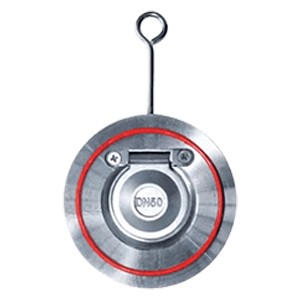
2. Dual Plate (Wafer) Check Valve
Compact and highly reliable.
Stainless steel versions perform extremely well in high-pressure, high-temperature conditions.
Resistant to wear and requires less maintenance compared to swing types.
3. Piston or Lift Check Valve
Very durable in high-pressure systems.
Works well with steam, gas, and high-viscosity fluids.
The tight sealing makes them last longer under demanding applications.
4. Stainless Steel Spring-Loaded Check Valve
Small, simple design with strong resistance to corrosion.
Long lifespan in aggressive environments like chemicals, seawater, and industrial fluids.
Minimal moving parts reduce the risk of failure.
Which One Is the Most Durable Overall?
If we talk about all-around durability, the stainless steel dual plate (wafer) check valve is often considered the most reliable. It combines a robust body, corrosion resistance, and a design that minimizes wear over time.