







When it comes to flow control, ball valves are one of the most reliable options. But not all ball valves are made the same. Two of the most common choices are brass ball valves and PVC ball valves. Each type comes with its own strengths and weaknesses. Knowing the differences will help you choose the right one for your system.
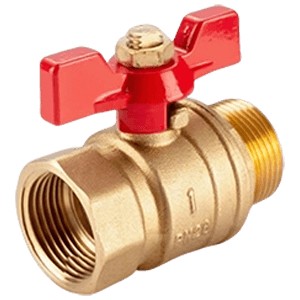
What Is a Brass Ball Valve
A brass ball valve is made from an alloy of copper and zinc. Brass is known for its strength, resistance to high temperatures, and ability to handle pressure. These valves are often used in plumbing, HVAC, gas, and industrial systems. Because of their durability, they last longer in heavy-duty applications.
Strength: Can withstand high pressure and temperature.
Versatility: Works for water, gas, and even certain oils.
Longevity: Less likely to crack under stress compared to plastic.
What Is a PVC Ball Valve
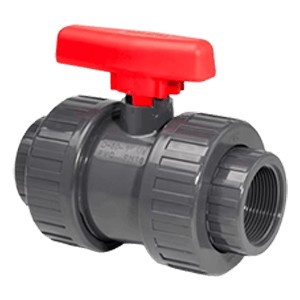
A PVC (polyvinyl chloride) ball valve is made from lightweight plastic. It’s commonly used in residential water systems, irrigation, pools, and low-pressure applications. PVC valves are corrosion-resistant, making them great for environments where metal might rust.
Lightweight: Easy to install and handle.
Corrosion Resistance: Won’t rust, even in damp conditions.
Cost-Effective: Usually cheaper than brass options.
Key Differences Between Brass and PVC Ball Valves
Which One Should You Choose
The decision depends on where you plan to use the valve.
Choose brass if your system involves high pressure, high temperature, or gas lines.
Go with PVC if your application is low-pressure, involves only water, or needs corrosion resistance.
Both valves do the same basic job — controlling the flow of liquid or gas. But the environment, budget, and system requirements make one better than the other.