







In the complex ecosystem of a vessel's engine room, countless components work in harmony to maintain propulsion and power generation. Among them, the mud box—or more formally, the sea chest strainer—stands as a critical first line of defense. While seemingly simple, its function is paramount: to intercept foreign material before it can wreak havoc on downstream machinery. This article will examine the mud box’s design, maintenance requirements, and its vital role in preventing operational delays.
What is a Mud Box, and Why is it Indispensable
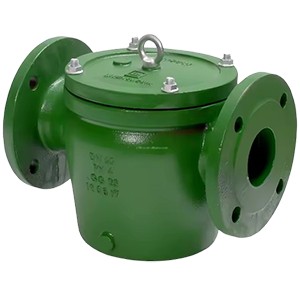
A mud box is a robust, cast, or fabricated metallic casing permanently installed between the ship’s sea chest/scoop and the main seawater suction line leading to pumps and heat exchangers.
Its core function is filtration. Seawater, the primary coolant for main engines, generators, and auxiliary systems, is never pristine. It carries:
Biological Matter: Shells, jellyfish, barnacles, seaweed.
Sediment: Sand, silt, mud (hence the name).
Debris: Plastic, paint chips, rags.
Without effective straining, this debris would foul cooling channels, erode pump impellers, and critically reduce the thermal efficiency of plate and shell-and-tube heat exchangers, leading to potential engine derating or shutdown.
Design and Operational Considerations
The effectiveness of a mud box relies on specific engineering features:
Strainer Basket: Typically perforated or mesh-lined, sized to meet classification society rules and the requirements of the most sensitive downstream equipment. Baskets must have sufficient open area to minimize pressure drop.
Adequate Sump: A large collection area below the suction pipe level to accumulate heavy particles (mud, sand) without constant flow disturbance.
Ease of Access: A quick-opening inspection cover or blind flange to allow for rapid cleaning (or blow-down) without significant operational downtime.
The Drama-Free Outcome
Proactive mud box maintenance guarantees the prescribed flow rate of cooling water, ensuring optimal heat transfer and preventing the dramatic, high-cost scenario of an engine overheat. In the world of commercial shipping, reliability starts with the basics—and the mud box is as basic and vital as it gets.