







A water meter is a mechanical or digital device installed on your property's main water supply line. Its primary purpose is to measure the volume of water that flows from the municipal supply into your home or facility. These readings form the basis for your water bill.
Water meters are used not only in residential homes but also in:
Industrial plants
Commercial buildings
Agricultural irrigation systems
Multi-unit dwellings and apartment complexes
Types of Water Meters
1. Positive Displacement Meters
Most common in residential homes
Uses a rotating chamber to measure water volume
Extremely accurate at low flows
2. Turbine (Velocity) Meters
Ideal for large commercial buildings or water mains
Measures flow based on the speed of the water passing through the turbine
3. Electromagnetic and Ultrasonic Meters
Used for high-precision applications
No moving parts, making them durable and maintenance-friendly
4. Smart Digital Meters
Provide real-time data
Can be monitored remotely
Offer alerts for leaks or abnormal usage
How to Locate Your Water Meter
Make sure to clear any debris or access obstructions before checking the meter.The location of your water meter depends on your region and the type of building:
In warm climates: Usually located outside in a ground-level meter box near the curb or sidewalk
In cold climates: Found indoors, often in a basement or utility room, to prevent freezing
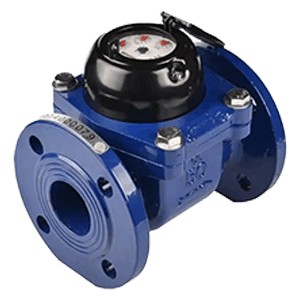
How to Read a Water Meter
Reading an Analog (Dial) Meter:
Odometer-style numbers represent the cumulative water use, typically in gallons or cubic meters.
Read the black numbers from left to right — these are whole units.
Red or rotating dial indicators show fractional usage and are useful for detecting slow leaks.
Reading a Digital Water Meter:
Simply look at the LCD display, which shows your current water usage.
Advanced models may cycle through different screens showing total volume, flow rate, and battery status.
Leak Detection and Troubleshooting
Turn off all water-using appliances and check the low-flow indicator (usually a small triangle or gear).
If it moves while everything is off, you may have a leak.
Compare readings over time to assess whether your usage patterns have changed.
Benefits of Reading Your Water Meter
Accurate billing: Avoid overcharges from estimation errors.
Leak detection: Catch issues before they become costly.
Conservation awareness: Understand and adjust your water usage habits.
Efficiency tracking: Great for businesses focused on sustainability goals.