







What a Ball Float Valve Is
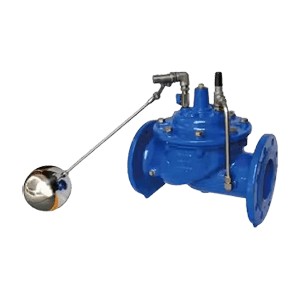
A ball float valve is an automatic flow control device designed to regulate liquid levels in tanks, reservoirs, and cisterns. It operates without external power, using buoyancy to open or close the valve as the liquid level changes.
How the Ball Float Mechanism Functions
As the liquid level rises, the float ball lifts with it, moving a lever or arm connected to the valve mechanism. Once the preset level is reached, the valve gradually closes, stopping further inflow. When the liquid level drops, the float descends, reopening the valve and allowing replenishment.
Why Level Control Accuracy Matters
Accurate liquid level control prevents overflow, dry running, and pressure imbalance. In water supply and industrial systems, maintaining a stable level protects downstream equipment and improves overall system reliability.
Key Advantages in Practical Applications
Ball float valves are valued for their simple structure, low maintenance requirements, and dependable operation. Their mechanical design minimizes failure risks and ensures long service life even in continuous-duty environments.
Where Ball Float Valves Are Commonly Used
These valves are widely applied in water storage tanks, cooling towers, agricultural irrigation systems, marine tanks, and industrial reservoirs where automatic level regulation is essential.