







Correct installation is essential to ensure a brass gate valve performs reliably and maintains a long service life. Although brass gate valves are known for their durability and simple structure, improper installation can lead to leakage, restricted flow, or premature wear.
Before installation begins, it is important to confirm that the valve specifications match the system requirements. The valve size, pressure rating, and thread or connection type should be fully compatible with the pipeline. Any debris, dust, or foreign material inside the pipe must be removed to prevent damage to the valve seat.
During installation, the valve should be placed in the fully open position. This reduces stress on the gate and prevents internal damage during tightening. When connecting threaded brass gate valves, appropriate sealing materials such as PTFE tape or thread sealant should be applied evenly, avoiding excessive use that could enter the pipeline.
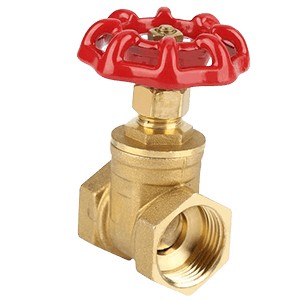
Alignment is another critical factor. The valve must be installed straight and in line with the piping to avoid mechanical stress. Over-tightening should be avoided, as excessive force can damage brass threads or distort the valve body.
After installation, a pressure test should be conducted to check for leaks and verify proper operation. Gradually opening and closing the valve ensures smooth movement and confirms that the valve is functioning correctly.
By following proper installation practices, brass gate valves can deliver dependable shut-off performance and long-term stability in plumbing and light industrial systems.