







What Is a Pinch Valve
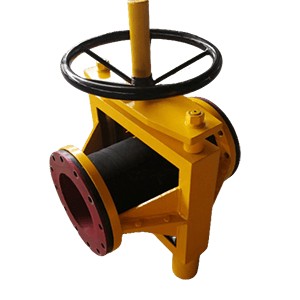
A pinch valve is a type of flow control valve that regulates fluid by pinching a flexible sleeve or tube. Instead of using a metal seat and disc, the valve relies on compressing an elastomer sleeve to stop or control flow, making it ideal for handling challenging media.
How Pinch Valves Work
The valve operates by applying external pressure to the sleeve using mechanical, pneumatic, or hydraulic actuators. When the sleeve is compressed, flow stops completely. When pressure is released, the sleeve returns to its original shape, allowing unrestricted flow.
Unique Flow Characteristics
Pinch valves provide full bore flow with minimal turbulence and virtually no cavities where media can accumulate. This design helps prevent clogging and reduces pressure loss across the valve.
Typical Industry Applications
Pinch valves are widely used in slurry handling, wastewater treatment, mining operations, chemical processing, and food production. They are especially suitable for abrasive, corrosive, or solid-laden fluids.
Advantages in Harsh Service Conditions
Because the fluid only contacts the sleeve, internal valve components are protected from corrosion and wear. This results in lower maintenance requirements and longer service intervals.