







What is a Gate Valve
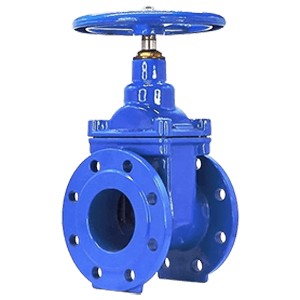
A gate valve is a linear-motion valve used to start or stop fluid flow. It operates by raising or lowering a wedge-shaped or parallel disc (the “gate”) inside the valve body. Gate valves are ideal for on/off control, especially in applications requiring unrestricted flow with low pressure drop. When fully open, the gate is completely out of the fluid path, allowing media to flow with minimal resistance.Unlike globe valves or control valves, gate valves are not designed for throttling or partial flow control, as partially open gates can suffer from damage due to high fluid velocity and vibration.
Key Factors to Consider When Choosing a Gate Valve
1. Application and Media Compatibility
For potable water, choose valves with WRAS, NSF, or DVGW approval.
For seawater, go with duplex stainless steel or bronze to resist corrosion.
For oil and gas, select API 600 certified forged or cast steel gate valves.
For steam or high-temperature systems, consider carbon steel or alloy steel valves with appropriate trim.
2. Valve Type and Design
Rising Stem Gate Valves: Allow visual position indication; best for above-ground installations.
Non-Rising Stem Gate Valves: Stem stays in place; suitable for underground or space-restricted installations.
Solid Wedge: Simple, durable design for standard conditions.
Flexible Wedge: Handles slight pipe movement and thermal expansion.
Split Wedge or Parallel Slide: Ideal for high-temperature steam and thermal cycling applications.
3. Material Selection
Cast Iron / Ductile Iron: Ideal for water, non-corrosive services.
Carbon Steel: Suitable for high-pressure, oil, and gas pipelines.
Stainless Steel: Corrosion-resistant for chemicals and aggressive fluids.
Bronze / Brass: Commonly used in marine or potable water applications.
4. Pressure and Temperature Ratings
PN ratings (PN10, PN16, etc.) for metric systems
ANSI classes (Class 150, 300, 600, etc.) for imperial systems
Use safety margins when selecting for steam, thermal oil, or gas.
5. End Connections
Flanged Ends: Easy installation/removal; common in larger pipelines.
Threaded (Screwed) Ends: Used in smaller systems (under 2”).
Welded Ends: Permanent, leak-free joints for high-pressure systems.
Grooved Ends: Fast assembly in HVAC or fire protection piping.
6. Actuation Method
Decide whether the valve will be manually operated (handwheel/gearbox) or automated (electric, pneumatic, or hydraulic actuator). Automation is ideal for remote or hazardous environments.
7. Standards and Certifications
API 600, API 602, ASME B16.34
ISO 5208 for leak testing
CE, WRAS, or UL/FM for specific applications
Common Use Cases
Water distribution and wastewater systems
Petrochemical pipelines
Power plants and energy generation
Fire protection networks
Marine ballast and bilge systems