







Shut-off valves are essential components in any plumbing system, allowing for localized water control during repairs or emergencies. Over time, these valves may wear out, corrode, or fail to close completely, making replacement necessary. Whether you're upgrading an old valve or fixing a leak, this guide will walk you through how to safely and effectively replace and install a shut-off valve.
When Should You Replace a Shut-Off Valve
Signs of corrosion or rust
Water leakage at the handle or compression joint
Stiff or stuck handle
Valve no longer fully stops water flow
Tools and Materials Needed
Adjustable wrench or two pipe wrenches
Pipe cutter or mini hacksaw (for copper pipe)
Teflon tape or pipe joint compound
Replacement shut-off valve (angle stop or straight stop)
Towels or bucket
Safety gloves and goggles
Sandpaper or emery cloth (for cleaning pipe ends)
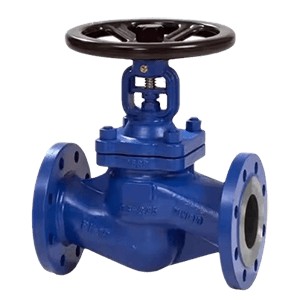
Step-by-Step Instructions
Step 1: Shut Off the Main Water Supply
Locate the main shut-off valve in your home and turn it off. Open nearby faucets to relieve water pressure and drain remaining water.
Step 2: Disconnect the Water Line
Use an adjustable wrench to loosen and remove the supply line connected to the old valve. Place a bucket underneath to catch any residual water.
Step 3: Remove the Old Valve
For compression fittings: Use two wrenches—one to hold the valve body, the other to loosen the compression nut.
For soldered valves: Cut the pipe using a pipe cutter just behind the solder joint.
Step 4: Clean the Pipe End
Remove debris, old Teflon tape, or corrosion from the pipe using sandpaper or a cloth.
Step 5: Install the New Valve
For compression-type valves, slide the compression ring and nut onto the pipe, then insert the valve and tighten.
For threaded connections, wrap the threads with Teflon tape before installing.
For push-to-connect (SharkBite) valves, simply push the valve onto the pipe until it clicks and seats firmly.
Step 6: Reconnect the Supply Line
Attach the water supply line to the new valve and tighten securely.
Step 7: Turn On the Water and Check for Leaks
Turn the main water supply back on slowly. Open and close the new valve to test its functionality. Watch closely for leaks at all connection points.