







1. Understanding Gate Valves
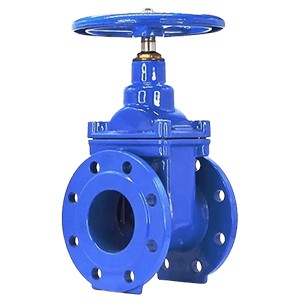
Definition & working principle.
Rising stem vs. non-rising stem.
Common materials (cast iron, carbon steel, stainless steel, bronze).
Advantages: minimal pressure drop, bidirectional sealing.
2. Core Function: Isolation
Gate valves as isolation valves.
Why they excel in “full open” or “full close” positions.
Importance in preventing leakage and maintaining system integrity.
3. Situations Where Gate Valves Are the Right Choice
Large Diameter Piping: Efficient flow with minimal resistance.
Water Supply and Wastewater Treatment: Durability, low maintenance.
Oil & Gas Pipelines: High pressure, long-distance transmission.
Power Generation: Steam systems and high-temperature service.
Marine and Offshore Applications: Resistance to corrosion, reliability.
Include real-world examples or case studies (e.g., municipal water networks, refinery pipelines).
4. Situations Where Gate Valves Should Be Avoided
Throttling service (causes vibration, erosion).
Systems requiring frequent operation (slow open/close time).
Emergency shut-off needs (ball or butterfly valves preferred).
5. Comparison with Other Valve Types
Gate vs. Ball Valve: speed of operation, sealing, cost.
Gate vs. Globe Valve: flow regulation, throttling ability.
Gate vs. Butterfly Valve: space-saving, cost efficiency.
Provide a comparison table for clarity.
6. Maintenance and Service Life Considerations
Importance of proper installation.
Common issues: stem corrosion, wedge wear.
Typical service lifespan when properly maintained.
7. Expert Recommendations
How engineers typically decide: pressure rating, pipe size, fluid type, operation frequency.
Tips for buyers: always verify standards (API, DIN, AWWA).
Emphasize total cost of ownership, not just purchase price.