







Both ball valves and butterfly valves help control fluid flow — but they don’t work the same way. If you’ve ever wondered which one is better for your system, here’s a clear breakdown.
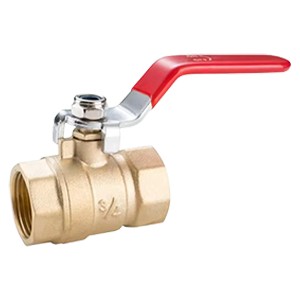
A ball valve uses a round ball inside the body. There’s a hole through the middle, and when you turn the handle, the hole lines up with the pipe so water or gas can flow through. Turn it again, and the hole turns sideways, blocking the passage. That’s why ball valves are great when you need a tight shut-off and leak-free performance.
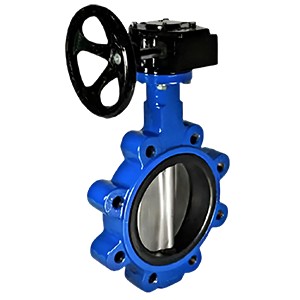
A butterfly valve works differently. Inside, there’s a flat disc that spins in the center of the pipe. When the handle turns, the disc rotates, opening or closing the flow. Because the disc stays in the pipe even when open, there’s a small amount of pressure loss. But butterfly valves are lighter, cheaper, and easier to install, especially in big pipelines.
If your system runs under high pressure or temperature, go with a ball valve. It’s strong, durable, and reliable. If you need something affordable and efficient for large-diameter or moderate-pressure systems, a butterfly valve is the smarter pick.
Both play a vital role in fluid control. The right choice depends on your system’s requirements — but when used correctly, either can provide years of dependable service.