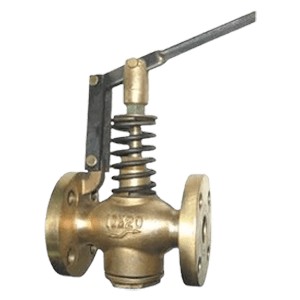

Quick Closing Valve
Definition: A valve designed to shut off the flow of fluid very rapidly (in seconds).
Operation: Usually operated manually (by lever, handwheel, or actuator) and designed for emergency situations.
Purpose: To stop the flow immediately to protect equipment, prevent accidents, or isolate pipelines.
Typical Applications:
Marine fuel oil or oil transfer systems (to prevent fire hazards).
Emergency shut-off in chemical plants.
Steam or high-pressure pipelines requiring instant isolation.
Key Feature: The speed of closure is intentional and controlled by design.
Self Closing Valve
Definition: A valve that automatically returns to the closed position once the operator releases it.
Operation: Normally spring-loaded; the spring mechanism forces the valve shut after use.
Purpose: To prevent unintentional continuous flow when the valve is not actively held open.
Typical Applications:
Fuel filling stations (to prevent spills when the operator lets go).
Cooling water or air supply lines where temporary flow is required.
Safety systems where valves must not stay open accidentally.
Key Feature: Closure is automatic, without relying on the operator to shut it.