







1. Follow Manufacturer Guidelines and System Design Parameters
Every balancing valve—static or dynamic—comes with specific installation instructions. Always:
Check the valve model, size, flow range, and pressure rating.
Follow directional flow arrows on the body.
Confirm that system design flow and differential pressure match the valve’s specifications.
This ensures the valve performs exactly as intended and prevents system imbalances.
2. Install Balancing Valves on Straight Piping Sections
To guarantee accurate measurement:
Maintain 5–10 pipe diameters of straight pipe upstream.
Maintain 2–5 pipe diameters of straight pipe downstream, unless the manufacturer states otherwise.
This reduces turbulence and ensures stable flow conditions for precise balancing.
3. Position the Valve for Easy Access
Balancing valves must be accessible for:
Flow measurement
Adjustment
Routine maintenance
Avoid installing valves behind walls, above ceilings without access panels, or in tight corners.
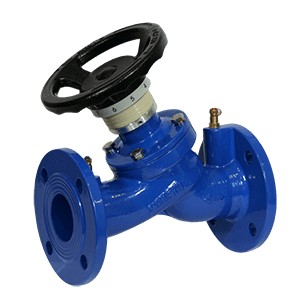
4. Ensure Proper Orientation
While many modern balancing valves can be mounted in multiple positions, the safest configuration is:
Handle upward or horizontal
Air vent and test points positioned for quick access
Improper orientation can trap air or complicate commissioning.
5. Install Shut-Off Valves Upstream and Downstream
Shut-off or isolation valves allow:
Safe installation and removal
Easier commissioning
Convenient maintenance
They also protect the balancing valve from debris during flushing.
6. Clean and Flush the System Before Installation
Debris, sand, welding slag, and rust can damage the measuring ports or internal components.
Best practice includes:
Pre-flushing the system
Installing temporary strainers
Ensuring water is clean before commissioning
7. Use Proper Tools for Measurement and Adjustments
For accurate balancing:
Always use calibrated flow meters, manometers, or manufacturer-approved measuring devices
Avoid using generic tools that may produce inaccurate readings
8. Avoid Installing Balancing Valves on Pump Suction Lines
Balancing valves create a pressure drop—placing them on the suction side of a pump can:
Reduce NPSH
Cause cavitation
Shorten pump lifespan
Always install them on the discharge side, unless specified by design engineers.
9. Remove Air from the System
Air pockets severely affect balancing performance. So:
Install air vents at high points
Ensure the system is thoroughly vented before balancing
Use automatic air eliminators if required
10. Properly Commission the Valve
After installation:
Measure system flow
Adjust the valve to the design flow rate
Record settings for future maintenance
Commissioning engineers should document:
Differential pressure readings
Valve setting position
Final balanced flow values