






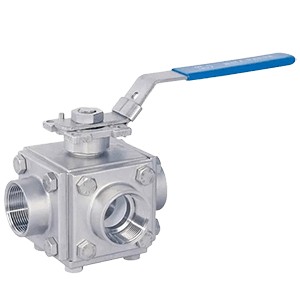
A three way valve is a flow control device featuring three ports and a single internal closure element. Its primary function is to direct, mix, or divert fluid flow within a piping system. By rotating or shifting the internal plug or ball, the valve controls how fluid moves between the three connections.
Key Working Principle of a Three Way Valve
The operation of a three way valve depends on the position of its internal component—commonly a ball, plug, or disc. When the valve actuates, one port may open while another closes, or two ports may remain open simultaneously, allowing fluid to either combine or change direction.This controlled movement enables precise flow regulation, making three way valves essential in systems requiring flexible flow paths.
Mixing vs Diverting Three Way Valves
Three way valves are typically classified into mixing type and diverting type designs.
Mixing three way valves combine fluid from two inlets into a single outlet, commonly used in temperature regulation systems.
Diverting three way valves take fluid from one inlet and direct it to one of two outlets, depending on system demand.
Each configuration supports different operational requirements while using the same fundamental working mechanism.
Actuation Methods and Control Options
Three way valves can be operated manually or automatically. Manual versions use a lever or handwheel, while automated versions rely on electric, pneumatic, or hydraulic actuators. Automated control allows integration with sensors and controllers for real-time system adjustments.
Why Three Way Valves Are Widely Used
Thanks to their ability to control complex flow paths, three way valves are widely applied in HVAC systems, industrial process control, water treatment, and chemical processing. Their working principle enables efficient flow management while reducing the need for multiple two-way valves.