







Fire sprinkler systems are a critical component of modern fire protection strategies, designed to detect heat, suppress flames, and limit fire spread during the earliest stages of a fire. By automatically discharging water when a predefined temperature is reached, sprinkler systems significantly reduce property damage, operational downtime, and risks to human life.
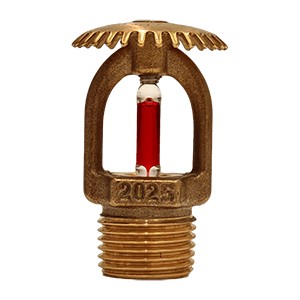
Wet Pipe Fire Sprinkler Systems
Wet pipe sprinkler systems are the most widely used and simplest type of fire sprinkler system. In this configuration, water is constantly present in the piping network, allowing immediate discharge once a sprinkler head activates.
Typical applications:
Commercial buildings, offices, shopping malls, hotels, and residential complexes where freezing conditions are not a concern.
Key advantages:
Fast response time, low maintenance requirements, and high system reliability.
Dry Pipe Fire Sprinkler Systems
Dry pipe systems store pressurized air or nitrogen inside the pipes instead of water. When a sprinkler head activates, the air is released first, allowing water to flow into the piping.
Typical applications:
Warehouses, parking garages, cold storage facilities, and unheated industrial spaces.
Key advantages:
Effective freeze protection and suitability for low-temperature environments.
Pre-Action Fire Sprinkler Systems
Pre-action systems combine features of both dry and wet pipe systems and require a secondary detection event (such as smoke or heat detection) before water enters the pipes.
Typical applications:
Data centers, control rooms, museums, and archives.
Key advantages:
Reduced risk of accidental water discharge and enhanced protection for high-value assets.
Deluge Fire Sprinkler Systems
Deluge systems use open sprinkler heads and release water simultaneously across the entire protected area once triggered by a fire detection system.
Typical applications:
High-hazard industrial environments such as chemical plants, power stations, and fuel storage facilities.
Key advantages:
Rapid fire suppression over large areas and effective control of fast-spreading fires.