






What Is a 3-Way Valve
A 3-way valve features three ports and one internal closure element, enabling it to control multiple flow paths. It is commonly used in HVAC systems, industrial pipelines, water treatment plants, and process control applications.
Main 3-Way Valve Configurations
L-Port (Diverter Valve) – Redirects flow between two outlets
T-Port (Mixing Valve) – Combines or splits flow between multiple ports
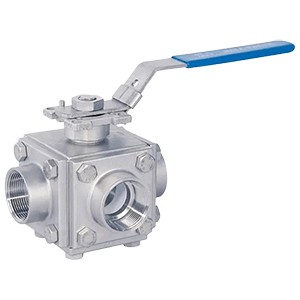
How to Use a 3-Way Valve Correctly by Application
1. Flow Diversion Applications
Typical use: Switching flow between two pipelines
Valve type: L-port 3-way valve
Used in:Cooling water switching.Process line selection.Equipment isolation
Best practice:Ensure the valve orientation matches the desired flow path. Incorrect installation can block flow completely.
2. Flow Mixing Applications
Typical use: Combining hot and cold fluids
Valve type: T-port 3-way valve
Used in:HVAC temperature control.Heat exchanger systems.Industrial mixing processes
Best practice:Install with correct inlet and outlet identification to ensure uniform mixing and stable temperature control.
3. Bypass & Pressure Control Applications
Typical use: Maintaining minimum flow or controlling pressure
Valve type: T-port or L-port
Used in:Pump protection systems.Pressure balancing loops
Best practice:Ensure partial opening positions are calibrated to avoid pressure fluctuations.
Key Installation & Operation Tips
Verify flow direction markings
Select materials compatible with the medium
Confirm pressure and temperature ratings
Avoid throttling unless valve is designed for it
Follow manufacturer torque and actuator guidelines