







Typical Lifespan of Expansion Joints
The average service life of expansion joints depends on the type, operating conditions, and maintenance practices. Here are common guidelines:
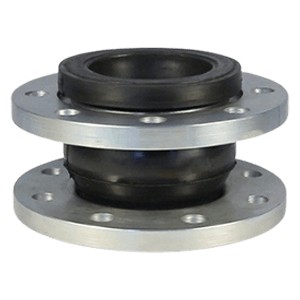
Rubber expansion joints: Typically 5–10 years under normal operating conditions.
Metal expansion joints: Usually last 10–20 years, depending on material quality and application.
Fabric expansion joints: Often 3–7 years, as they are more exposed to wear in high-temperature or corrosive environments.
Factors That Affect Replacement Frequency
1. Operating Temperature and Pressure
High temperatures accelerate material degradation, especially in rubber and fabric joints. Excessive pressure can also cause fatigue, cracks, or bulging.
2. Chemical Exposure
Aggressive chemicals, corrosive gases, or abrasive particles reduce the life expectancy of expansion joints by attacking elastomers, fabrics, or metal surfaces.
3. Installation Quality
Poor alignment, overextension, or lack of proper anchoring can cause premature failure. Correct installation is critical to long service life.
4. Frequency of Movement
Pipelines and ducts with frequent cycles of thermal expansion or vibration cause expansion joints to flex repeatedly, which shortens lifespan.
5. Maintenance and Inspection
Regular inspection helps detect early signs of wear such as cracks, leaks, or deformation. Timely replacement prevents costly downtime.
Inspection Guidelines
Visual inspection: At least every 6–12 months. Look for cracks, deformation, leaks, or unusual vibrations.
Detailed inspection: Every 3–5 years, depending on system criticality.
Replacement: If damage is detected or the joint shows signs of aging beyond its expected service life.
For critical systems, many operators adopt a preventive replacement schedule — for example, replacing rubber joints every 7 years even if no visible damage is found.
Signs That an Expansion Joint Needs Replacement
Surface cracks or blistering on rubber joints.
Leaks at flanges or seams.
Visible bulging or distortion of the body.
Corrosion or fatigue cracks in metal bellows.
Excessive vibration or noise during operation.
Ignoring these warning signs can lead to catastrophic failure, system downtime, or safety hazards.
Best Practices for Maximizing Service Life
Choose the right material for the operating environment (e.g., EPDM for water, PTFE-lined for chemicals, stainless steel for high heat).
Ensure proper installation with correct alignment, anchor points, and control rods.
Follow a regular inspection schedule to catch early deterioration.
Keep detailed maintenance records to predict replacement needs more accurately.