







This article outlines everything facility managers, maintenance teams, and contractors need to know about replacing fire sprinkler heads—from safety precautions and compliance requirements to step-by-step instructions for effective replacement.
Why Fire Sprinkler Heads Need Replacing
Corrosion or mineral buildup can clog or damage internal components
Paint or contamination can impair the activation mechanism
Physical impact or accidental breakage can render them nonfunctional
Age and system upgrades, especially if the head is over 50 years old or incompatible with newer piping systems
Code compliance, as required by NFPA 25 and local fire safety regulations
Regular inspections are essential. According to the National Fire Protection Association (NFPA 25), sprinkler heads must be replaced if they fail inspection, show signs of damage, or have been installed for more than 50 years without performance testing.
Tools and Materials You’ll Need
Replacement fire sprinkler heads (same type, temperature rating, and thread size)
Sprinkler head wrench (manufacturer-specific)
Pipe sealant or Teflon tape (if required)
Ladder or lift for access
Bucket or rags (to catch water during removal)
Safety goggles and gloves
Shutoff tool for the sprinkler system
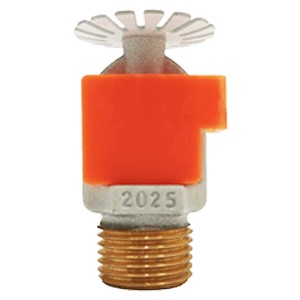
Step-by-Step Guide: How to Replace a Fire Sprinkler Head
1. Turn Off the Water Supply
Before touching anything, shut off the fire sprinkler system’s water supply. If it's part of a commercial fire suppression network, ensure you're working with a certified technician and have notified the appropriate authorities or monitoring service.
2. Relieve System Pressure
Drain the section of the system you’ll be working on to avoid water discharge. Use the main drain valve or auxiliary drains on branch lines. This reduces the chance of flooding or accidental activation during the process.
3. Access the Sprinkler Head
Use a stable ladder or lift to safely reach the defective head. Remove any ceiling tiles or coverings to expose the pipe connection point if needed.
4. Remove the Damaged Sprinkler Head
Using the sprinkler head wrench (not pliers or general-purpose tools), unscrew the old sprinkler head carefully. Be gentle to avoid damaging the pipe threads or surrounding components.
5. Prepare the Pipe Threads
Inspect the threads for corrosion or debris. Apply a small amount of pipe thread sealant or Teflon tape if required—check the manufacturer’s instructions.
6. Install the New Sprinkler Head
Align the new sprinkler head correctly and screw it into the fitting by hand first, then use the proper wrench to tighten it firmly but not excessively. Over-tightening can crack fittings or damage the valve.
7. Restore Water Supply and Test the System
Once installation is complete, turn the water supply back on slowly and check for leaks. Perform a test in accordance with NFPA guidelines to ensure the system is operational.
Important Safety Considerations
Always verify the replacement head matches the original in temperature rating, response type, and orientation (e.g., pendent, upright, sidewall).
Only licensed professionals should replace sprinkler heads in commercial or multi-tenant buildings.
Avoid using painted heads, as field-painted sprinklers are non-compliant with NFPA codes.
Keep spare sprinkler heads and a wrench on-site, as required by NFPA 13 for quick future replacements.
Common Issues to Watch For
Leakage after installation: Could indicate misaligned threads or over-tightening.
Incompatibility: Installing a head not approved for the system may void insurance and violate fire codes.
Delayed activation: Caused by obstruction, incorrect temperature rating, or contamination.
How Often Should Sprinkler Heads Be Replaced
Sprinklers older than 50 years: Replace or test every 10 years
Quick-response sprinklers (25+ years): Replace or test every 20 years
Corroded, painted, or damaged sprinklers: Replace immediately
Sprinklers exposed to high heat or harsh chemicals: Inspect annually