







Think of it as your system’s emergency brake.A quick closing valve reacts rapidly — sometimes in a fraction of a second — when triggered by a cable, pneumatic signal, or hydraulic pressure. These valves are essential in:
Marine fuel and lube oil pipelines
Chemical transfer systems
Emergency shutdown lines
High-risk fluid circuits
Their job: stop flow immediately when it’s no longer safe to continue.
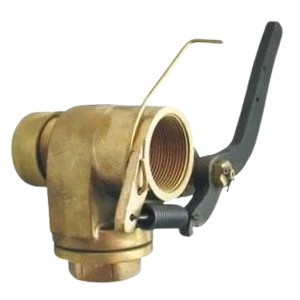
Key Things to Look For
1. Activation Method: How Do You Want It to Close
Your choice depends on your environment and safety requirements.
Manual cable — simple, reliable, ideal for ships
Pneumatic — fast and precise for industrial plants
Hydraulic — strong closing force, great for high-pressure systems
Spring-return — automatic fail-safe closure
Each method has its advantages — choose based on what your process demands.
2. Closing Speed: Fast, But Not Too Fast
Yes, a quick closing valve must close quickly.
But if it closes too fast, you could trigger pressure surges or water hammer.
Ask yourself:
Is instant closure required for safety?
Do you need adjustable closing speed?
Will rapid closure stress the pipeline?
Smart selection protects your system, not just shuts it down.
3. Compatibility With Your Medium
Different media need different materials.
Fuel → stainless steel or bronze, fire-safe
Corrosive chemicals → high-alloy steel, PTFE seals
High-temperature fluids → metal seats or FKM materials
Matching materials to your medium ensures long-term reliability.
4. Where You’re Installing It
Location shapes your choice more than you think.
Engine rooms → fire-safe, anti-corrosion
Outdoor pipelines → weather-resistant coatings
Hazardous environments → anti-static, low leakage
Remote areas → simple operation and easy reset
A valve should suit the environment as much as the application.
5. Pressure, Flow, and System Size
An oversized valve wastes money.
An undersized valve risks failures.
Ensure you check:Working pressure.Flow capacity (Cv/Kv).Pipe size.System operating conditions
Correct sizing improves performance and safety.
6. Certification & Compliance
In many industries, compliance isn’t optional — it’s mandatory.
Look for standards such as:CE.DNV / ABS / LR marine approval.Fire-safe standards (API 607 / ISO 10497)
These guarantee that the valve meets safety expectations.
Why the Right Choice Matters
A reliable quick closing valve:
Avoids accidents and system failures
Reduces environmental risks
Protects valuable equipment
Ensures safe shutdown during emergencies
Meets regulatory requirements
It’s a small component with a massive responsibility.