







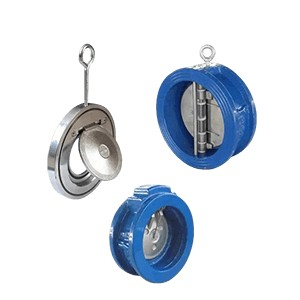
A check valve, also known as a non-return valve, is a critical component in piping systems where backflow prevention is required. Its primary function is simple: allow fluid to flow in one direction while automatically preventing reverse flow.
Pump Discharge Lines
One of the most common locations for check valves is immediately downstream of pumps. When a pump stops, reverse flow can cause damage to impellers, seals, and bearings. A check valve prevents backflow, protecting the pump and maintaining pressure in the system.
Vertical Piping Systems
In vertical pipelines, gravity can cause fluid to flow backward when the system shuts down. Installing a check valve in these sections prevents unwanted reverse flow and reduces pressure surges.
Water Supply and Plumbing Systems
Check valves are widely used in domestic and industrial water systems to prevent contamination. By stopping backflow, they help ensure potable water safety and comply with plumbing codes.
Parallel Pump Systems
In systems with multiple pumps operating in parallel, check valves prevent inactive pumps from rotating backward or being damaged by flow from operating pumps.
Compressed Air and Gas Lines
Check valves ensure that air or gas flows in the intended direction, protecting compressors and maintaining system efficiency.