







What Is a Check Valve
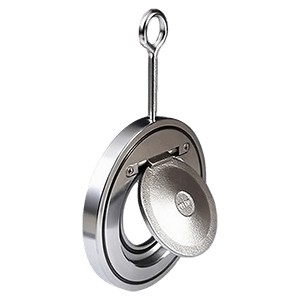
A check valve is a simple one-way device. Fluid flows forward. If the flow tries to reverse, the valve closes. It works automatically with no handle or actuator.
Check valves are common in pumps, water lines, compressors, and chemical plants. They stop reverse flow that could damage equipment or cause pressure loss. Their design is compact. Their installation is easy. Their cost is low compared to other valves.
What Is a Backflow Preventer
A backflow preventer is more complex. It also stops reverse flow. But its main job is safety. It protects drinking water from contamination.
A standard backflow preventer often has two check valves inside, plus a relief valve. This triple protection keeps polluted water or chemicals from flowing back into clean supply lines. They are required by plumbing codes in many regions.
Functional Differences
The check valve responds only to pressure changes. When outlet pressure is higher, it closes. When inlet pressure dominates, it opens. That makes it simple and reliable for process control.
The backflow preventer does more. It not only blocks reverse flow but also relieves pressure when needed. It creates a physical barrier between potable water and potential hazards. Because of this, it is trusted for public safety, not just mechanical protection.
Maintenance and Cost
Check valves require little care. They are low-cost and easy to replace. But they can fail if debris gets trapped in the disc or seat.
Backflow preventers demand regular inspection. Many regions require annual testing by certified technicians. They are more expensive to buy and to maintain. But that cost is tied to safety compliance.
Application Choices
Check valves belong in pump discharge lines, industrial circuits, and HVAC systems. They are best where the goal is protecting equipment.
Backflow preventers are for water supply. They are mandatory in irrigation systems, fire sprinklers, and any system that connects to public drinking water. They prevent health risks caused by contaminated backflow.