







In modern HVAC systems, achieving accurate flow control is critical to energy efficiency, thermal comfort, and long-term system stability. Yet many system inefficiencies can be traced back to one overlooked component: the HVAC balancing valve.Do you really understand how to choose the right balancing valve for your hydronic system?
What Is an HVAC Balancing Valve
An HVAC balancing valve is used to regulate and measure water flow in heating, ventilation, and air conditioning systems. Its primary function is to ensure that each terminal unit receives the designed flow rate, enabling the system to operate as intended.
Without proper balancing, HVAC systems may experience:
Uneven heating or cooling
Excessive pump energy consumption
Noise and water hammer
Reduced equipment lifespan
Why Choosing the Right HVAC Balancing Valve Matters
Selecting the correct balancing valve directly impacts:
System energy efficiency
Indoor comfort levels
Commissioning accuracy
Operational and maintenance costs
A well-chosen balancing valve helps optimize pump performance, reduce unnecessary pressure losses, and maintain stable flow throughout the HVAC network.
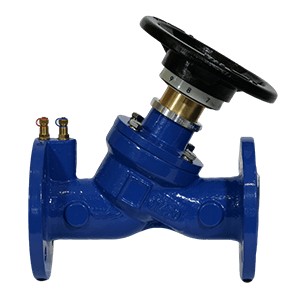
Key Factors When Selecting an HVAC Balancing Valve
1. HVAC System Type and Application
First, identify the application:Chilled water systems.Hot water heating systems.Primary–secondary loop systems.Fan coil units (FCUs), air handling units (AHUs), or radiant systems
Different HVAC applications require different balancing valve designs and performance ranges.
2. Manual Balancing Valve VS Automatic Balancing Valve
Manual HVAC balancing valves
Suitable for constant-flow systems
Lower initial cost
Require manual commissioning and periodic adjustment
Automatic balancing valves (constant flow valves)
Automatically maintain preset flow
Ideal for variable-flow HVAC systems
Reduce commissioning time and operational errors
For modern energy-efficient buildings, automatic balancing valves are increasingly preferred.
3. Flow Rate Range and Valve Sizing
Correct sizing is essential for accuracy:
Avoid oversizing, which reduces control precision
Avoid undersizing, which causes excessive pressure drop
Choose an HVAC balancing valve that operates within 60–100% of the design flow rate for optimal performance and measurement accuracy.
4. Pressure Drop and Energy Efficiency
Every balancing valve introduces a pressure drop. Excessive pressure loss leads to:
Higher pump energy consumption
Increased operating costs
High-quality HVAC balancing valves are designed to provide precise flow control with minimal pressure loss, supporting energy-efficient system operation.
5. Measurement Accuracy and Commissioning
Look for features that simplify commissioning:
Integrated pressure test points
Clear flow-setting scales
Stable and repeatable adjustment
Accurate measurement is critical during HVAC system commissioning and future system optimization.
6. Installation, Maintenance, and Accessibility
An ideal HVAC balancing valve should:
Be easy to install in limited space
Allow quick adjustment and locking of settings
Require minimal maintenance over its service life
Ease of use reduces labor costs and system downtime.
7. Standards, Certification, and Quality
Ensure the balancing valve complies with recognized standards such as:ISO / EN and CE certification.Relevant HVAC and building codes
High-quality materials and strict quality control ensure long service life and reliable performance under continuous operation.
Common Mistakes When Choosing HVAC Balancing Valves
Selecting by pipe size only, ignoring flow requirements
Oversizing “for safety,” which reduces accuracy
Ignoring pressure fluctuations in variable-flow systems
Overlooking commissioning and future maintenance needs
Avoiding these mistakes can significantly improve HVAC system performance.